Steps to Choose the Perfect Fish Filleting Knife for Your Demands
Selecting the right fish filleting knife demands careful evaluation. Various kinds of knives meet different needs. Factors such as blade resilience, size, and handle design play crucial roles in performance. Understanding these components can lead to improved selections. Yet, with so many alternatives available, deciding on the best fit might appear intimidating. What specific features should one prioritize to improve their filleting experience?
Grasping the Multiple Types of Fillet Knives
Filleting knives are available in various types, each designed to serve particular purposes in preparing fish. The most common types consist of flexible, stiff, and electric filleting knives. Flexible knives are perfect for delicate fish, enabling smooth, precise cuts along the bone. Stiff knives, on the other hand, offer more control and leverage, making them suitable for larger fish. Electric filleting knives offer quickness and effectiveness, particularly beneficial for those who regularly process large quantities of fish.
In addition, there are purpose-built tools for particular fish types, such as salmon or trout, which include unique blade shapes. The selection of materials also varies, with stainless steel being the most common due to its protection against corrosion and minimal maintenance needs. Recognizing these distinctions helps individuals to determine the appropriate blade designed for their specific filleting needs, ensuring a more accomplished and gratifying fish preparation endeavor.
Vital Elements to Search for in a Filleting Knife
A quality fish knife is vital for achieving precise and smooth cuts when processing fish. When determining a filleting knife, multiple key features should be reviewed. First, the blade's flexibility is important; a more supple blade allows for easier maneuvering around bones and contours. The perfect blade length typically ranges from 6 to 9 inches, suited for various fish sizes.
Ergonomic considerations also play a crucial function; a comfortable handle provides superior control and decreases hand fatigue during lengthy use. A non-slip grip is particularly useful for sustaining safety in wet conditions.
Additionally, the knife should maintain a sharp edge that can be readily preserved, as a sharp blade decreases effort and maximizes exactness. Finally, factor in the weight; a well-balanced knife enhances grip, making the filleting process more effective. Each of these features contributes to the overall performance and usability of a filleting knife.
The Way Different Materials Influence Filleting Knife Effectiveness
Fish fillet knife performance is considerably determined by the substances selected for both the blade and grip. Different cutting materials, like stainless steel or high-carbon steel, provide varying degrees of edge acuity and durability, and handle ease may affect user control during fish preparation. Additionally, rust resistance is essential for maintaining the knife's longevity in wet environments.
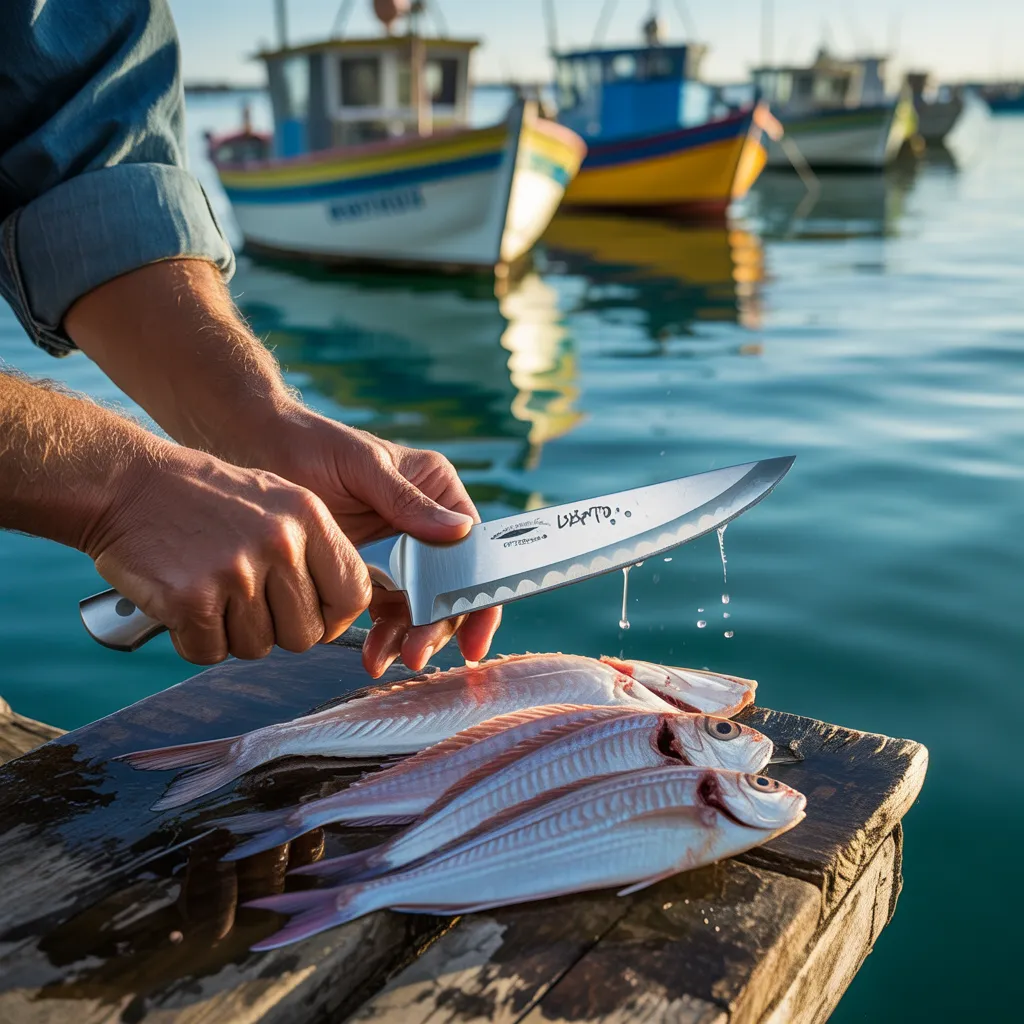
Blade Composition Types
Selecting the appropriate blade material is crucial for optimizing a filleting knife's performance. Popular materials include stainless steel, carbon steel, and ceramic, each providing distinct advantages. Stainless steel is popular for its corrosion resistance and ease of maintenance, making it suitable for both freshwater and saltwater environments. Carbon steel, while requiring more attention to avoid rust, is celebrated for its sharpness and edge retention, which is critical for accurate filleting. Ceramic blades, although less common, deliver exceptional sharpness and hardness but can be brittle, making them less suitable for tougher fish. In the end, the choice of blade material influences durability, maintenance, and the overall efficiency of filleting, impacting the user's experience markedly.
Control Comfort Settings
Although blade material considerably determines how well a filleting knife works, the handle's ease of use cannot be disregarded. The choice of handle material substantially impacts user experience during extended filleting sessions. Well-designed handles support a secure grasp, decreasing fatigue and boosting precision. Common materials include wood, plastic, and rubber.
Wood gives a traditional feel but may lose grip when wet. Plastic is lightweight and simple to clean, but it may not deliver the same tactile feedback. Rubber, conversely, excels at delivering a slip-resistant hold, essential for working with slippery fish. Ultimately, a pleasant grip facilitates superior control, making it a vital aspect in picking the right filleting knife for both amateur and professional fishers.
Corrosion Defense Considerations
Corrosion resistance constitutes an essential consideration that profoundly shapes the performance and durability of a fish filleting knife. Knives made from stainless steel, for example, exhibit excellent resistance to rust and corrosion, positioning them ideal for regular application in wet environments. High-carbon steel, while keener and more straightforward to sharpen, tends to be more vulnerable to corrosion and demands regular maintenance. Moreover, coatings including titanium or ceramic can enhance corrosion protection, supplying a safeguarding layer against moisture and acids contained in fish. Users must consider their specific requirements and maintenance choices when selecting materials, as the choice between strength and easy care can substantially affect the knife's overall functionality and lifespan.
Why Blade Flexibility Is Critical for Filleting Fish
A flexible blade is essential for efficient fish filleting, as it allows for precise movements along the contours of the fish. This versatility enables the knife to glide smoothly between the skin and flesh, confirming clean, even cuts. A blade with the right amount of flexibility delivers the user with better precision, allowing for complex maneuvers around bones and fins without damaging the meat. Different fish species require varying degrees of flexibility; for example, delicate fish like sole benefit from a more pliable blade, while sturdier fish may require a stiffer option. Additionally, the flexibility of the blade can reduce the risk of tearing or shredding the flesh, which is essential for presentation and quality. Ultimately, selecting a knife with appropriate blade flexibility can greatly enhance the efficiency and effectiveness of the filleting process, resulting in superior fillets and a more enjoyable experience for the user.
Determining the Excellent Handle Approach for Comfort and Precision
When selecting a fish fillet knife, the handle construction greatly influences both comfort and control. Ergonomic handle shapes can strengthen grip and reduce fatigue, while the material used influences how securely the user can grasp the knife. Understanding these factors is indispensable for achieving peak performance during filleting work.
Ergonomic Grip Designs
Determining the perfect user-friendly handle design is paramount for creating ease and mastery while filleting fish. A expertly designed handle can substantially reduce hand fatigue during intensive use. Curved or contoured shapes frequently bestow a natural grip, facilitating superior maneuverability and precision. Some handles feature finger grooves or textured surfaces, strengthening grip stability, which is significant when handling slippery fish. Additionally, the size of the handle should conform to the user's hand for superior control; a handle that is too large or too small can limit performance. Ultimately, the best ergonomic handle shape will meet individual preferences, ensuring a balance between comfort and functionality while filleting. This consideration plays an important part in the overall efficiency of the filleting process.
Material Weight on Grip
The choice of material for a fish filleting knife handle influences grip and comfort. Materials such as wood, plastic, and rubber each offer advantages that are distinct. Wooden handles provide a traditional feel and can be comfortable to hold but may require more maintenance to prevent moisture absorption. Plastic handles are lightweight and often textured for better grip, making them suitable for wet conditions. Rubber handles tend to excel in providing a non-slip surface, enhancing safety during cutting tasks. Additionally, the finish of the handle material plays a key role in user comfort; a smooth finish may feel comfortable initially but could become slippery when wet. Ultimately, selecting the right material can greatly impact the efficiency and enjoyment of the filleting process.
Top Filleting Knives for Every Price Range
A well-chosen filleting knife can boost the efficiency and pleasure of filleting fish. For budget-conscious buyers, the Rapala Fish'n Fillet Knife stands out as an excellent choice. Priced around $20, it offers a pliable blade that is perfect for a wide array of fish sizes.
In the mid-range category, the Dexter-Russell Sani-Safe Fillet Knife, costing approximately $50, offers a blend of durability and quality, featuring a ergonomic handle and a dependable stainless steel knife edge.
For the higher end, the Wüsthof Classic Fillet Knife is recommended for dedicated professionals. Priced around $150, this knife offers a precision-forged blade and an comfortable handle, delivering exceptional performance and longevity.
Each of these options accommodates different budgets while preserving essential qualities for effective fish preparation, making them suitable choices applicable information for both novices and seasoned anglers.
Servicing Instructions for Sustaining Your Filleting Knife Remains in Top Shape
Acquiring a quality filleting knife marks just the initial phase; proper maintenance is crucial to guarantee peak performance and longevity. Regular cleaning is important; after every use, wipe down the blade with warm, soapy water and dry it immediately to prevent rust build-up. It’s recommended to avoid dishwashers as the high heat and detergents may harm both the handle and blade.
Periodic sharpening is critical for maintaining your knife's edge in excellent condition. Employing a sharpening stone or steel rod helps you maintain blade sharpness and boost filleting efficiency. Make certain you sharpen the knife before every fishing trip for optimal performance.
The proper storing of the blade also enhances its useful life. A protective sheath or roll can protect against accidental damage. Finally, regular monitoring for any signs of deterioration or damage can help fix issues early, ensuring the knife remains a reliable tool for years to come.
Popular Inquiries Asked Often
Is it Possible to Use a Fillet Blade for Various Cuts of Meat Products?
Yes, a filleting knife can be applied for different types of meat, though its flexibility and thin blade may not be perfect. Chefs often choose purpose-built knives for assorted proteins to assure peak performance.
How Frequently Should I Hone My Filleting Knife?
A filleting knife needs to be sharpened on a regular basis, preferably after several uses. This guarantees peak performance and precision when filleting. Keeping the edge sharp extends the knife's lifespan and improves the overall filleting experience.
Is Investing in Motorized Fillet Knives Worthwhile?
Electric filleting knives can be a good investment for those who consistently cook fish, delivering efficiency and speed. However, standard blades may offer improved precision and control, satisfying diverse preferences among fishers and chefs.
What Constitutes the Ideal Technique for Storing My Filleting Knife?
The finest way to store a filleting knife is in a safety cover or magnetized surface. This avoids blade wear and maintains it accessible. Additionally, a designated space or knife block can support preserve arrangement and protection.
May I Tailor My Filleting Knife's Grip to My Preferences?
Yes, a filleting knife's grip can often be customized. Many manufacturers provide options for different substances and styles, enabling users to enhance ease, hold, and individual preference while boosting the general filleting experience.